From CNC to Hand Finishing: Technology Behind Precision Millwork
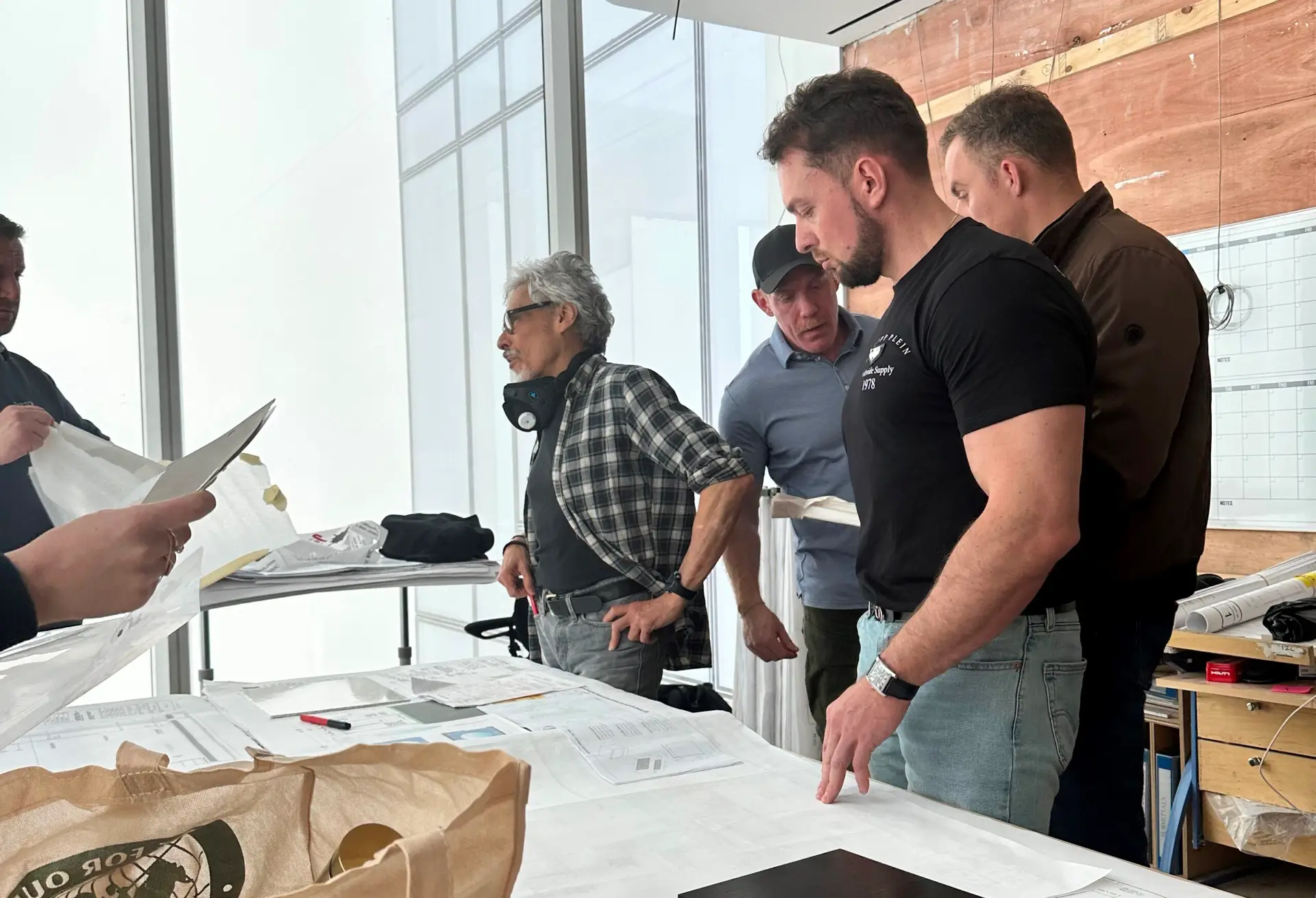
Precision millwork lives at the intersection of technology and craftsmanship — and understanding how those two forces work together helps explain why custom millwork looks and performs the way it does. At Prime Woodwork, every project moves through a process that goes from CNC to hand finishing, combining the accuracy of computer-guided machinery with the judgment and skill of experienced craftsmen.
CNC (Computer Numerical Control) machinery allows us to cut panels, joints, and complex profiles with a level of consistency that would be difficult to achieve by hand alone — critical when a project involves dozens of matching components, like cabinetry across multiple rooms or a large architectural millwork package. But CNC fabrication is only the starting point.
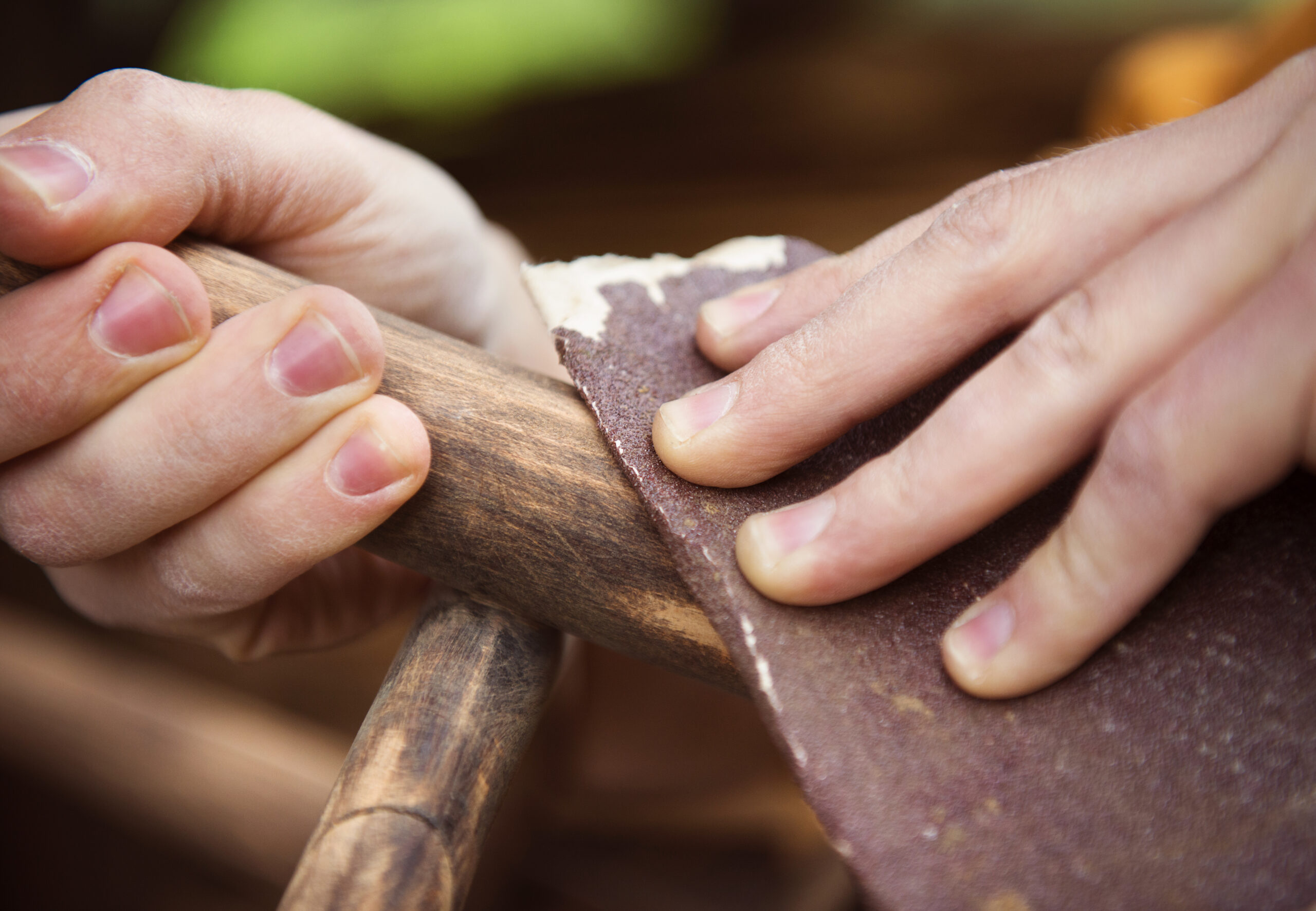
Once pieces are cut, our craftsmen take over: sanding, staining, sealing, and hand-detailing every surface to achieve the final look and feel of the piece. This is where texture, tone, and character come from — the parts of a finished piece that no machine can fully replicate. This article breaks down what actually happens at each stage, and answers the questions clients often have about how technology and craftsmanship come together in our shop.
What CNC Technology Brings to Precision Millwork
CNC machinery allows for exact, repeatable cuts and complex joinery, ensuring consistency across every component of a project — especially important for large-scale or multi-room custom millwork.
Why Hand Finishing Still Matters After CNC Fabrication
No machine can fully replicate the texture, depth, and character that skilled hand-finishing brings to a piece — it’s this final stage that gives custom millwork its distinctive, high-end look and feel.
Not at all. CNC technology is a tool we use to achieve precise, consistent fabrication — the design itself is still fully custom, created specifically for your project. Hand-finishing afterward ensures each piece still carries genuine craftsmanship.
CNC machinery typically handles cutting, complex joinery, and repeatable profiles. Sanding, staining, sealing, hardware fitting, and fine detail work are done by hand by our craftsmen, giving each piece its final finish and character.
Generally, it’s more efficient — CNC handles the time-consuming, high-precision cutting quickly and accurately, freeing up our craftsmen to focus their time on hand-finishing and detail work, rather than manual cutting.
Yes. CNC machinery is highly flexible and can be programmed for complex, one-of-a-kind designs — it’s one of the reasons we’re able to take on intricate architectural millwork projects with tight tolerances.
CNC precision handles dimensions and joinery, but texture, staining, and surface character are inherently tactile processes. Hand-finishing is what gives a piece its warmth, depth, and the kind of quality that’s immediately noticeable up close.
No — finishing techniques vary depending on the material (solid wood, veneer, laminate, etc.) and the desired final look, whether that’s a natural wood grain, a painted finish, or a high-gloss surface.
CNC programming ensures dimensional consistency across components, while our finishing team follows detailed specifications and reference samples to maintain a consistent look, tone, and texture across every piece in the project.
Yes — during a showroom visit, you can see finished samples that demonstrate both our CNC precision and hand-finishing quality, which helps set expectations for your own project.